Introduction: Understanding MataRecycler and Its Place in Modern Waste Management
The current global waste landscape is rapidly transforming, and the term MataRecycler is emerging as a symbol of that transformation. As nations struggle with rising waste volumes, cities and businesses are seeking innovative solutions that go beyond outdated recycling systems. MataRecycler represents a new direction in waste management that fuses technology, sustainability, data analytics, and user engagement into one intelligent platform, capable of identifying, sorting, and tracking recyclable materials with far greater precision than traditional methods. With mounting concerns over landfill overflow, environmental pollution, and resource scarcity, exploring what MataRecycler is, how it works, and why it matters has never been more important.
In simple terms, MataRecycler is a smart recycling ecosystem that leverages artificial intelligence (AI), Internet of Things (IoT) sensors, data analytics, and automated sorting systems to improve recycling accuracy, reduce contamination, promote higher recycling rates, and enable real‑time operational insights. While conventional recycling infrastructure has operated primarily on human labor and manual sorting, MataRecycler introduces machine‑assisted intelligence into every step of the process. The resulting system is capable of recognizing materials automatically, guiding proper sorting behavior, optimizing collection logistics, and providing transparent performance metrics. In a world where waste is increasingly seen as a valuable resource rather than disposable trash, MataRecycler is positioned as a high‑impact solution in sustainable cities, corporate ESG strategies, and climate goals.
This article explores the technology behind MataRecycler, the environmental and economic benefits it can deliver, the community engagement needed for widespread success, the operational challenges it faces, and its future potential. Through integrated research detail and practical examples, this article aims to provide a thorough picture of why MataRecycler matters as part of the modern recycling revolution.
The Global Waste Crisis and the Need for Intelligent Recycling
Human activities around the world generate an astonishing amount of waste. According to recent estimates, global solid waste production exceeds 2.24 billion metric tons per year, a figure expected to rise substantially as population and consumption grow. Cities are struggling to manage this waste sustainably, and traditional recycling infrastructures—often relying on manual labor, limited sorting facilities, and inconsistent public participation—are failing to keep pace. In many urban centers, recycling streams are contaminated with non‑recyclables, resulting in valuable materials being diverted to landfills despite well‑intended collection efforts.
Contamination is a core obstacle in recycling systems, occurring when improper items like food‑soiled containers, mixed plastics, or hazardous materials are mixed with recyclables. When contamination surpasses certain thresholds, entire batches of recyclables can be rendered unusable, costing facilities money and undermining environmental goals. While many communities attempt to educate residents on proper sorting methods, inconsistent compliance and confusing rules often persist. These problems highlight the deep need for technology‑enabled recycling systems that can both improve sorting accuracy and guide consumer behavior.
MataRecycler addresses this need by introducing sensor‑driven detection and automated sorting into the recycling workflow. Rather than depending entirely on human judgment, the system uses intelligent algorithms to categorize waste items instantly and route them into the correct recycling streams. This reduces contamination, increases the quality of recycled feedstock, and streamlines operations from the household bin to the processing facility. Ultimately, better recycling outcomes contribute to environmental sustainability by reducing landfill use, conserving energy, and lowering greenhouse gas emissions associated with waste management.
How MataRecycler Works: A Smart Recycling Framework
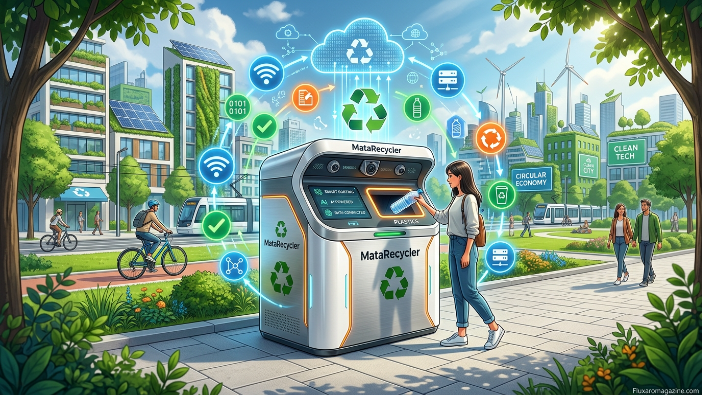
At its core, MataRecycler is more than a single machine or software program—it is a connected system of smart devices, data infrastructure, and analytical tools designed to work together. The fundamental components of a MataRecycler ecosystem typically include smart recycling bins, AI‑driven material identification, IoT sensors, cloud‑based data analytics, and user interfaces that facilitate transparent engagement and reporting.
When a person disposes of an item into a MataRecycler‑enabled smart bin, built‑in cameras and sensors capture detailed images and environmental data about the item. Advanced image recognition and machine learning models analyze this data instantly to determine the material type—whether it is plastic, aluminum, glass, paper, or another recyclable category. This capability significantly surpasses traditional optical sorting methods, which often rely on basic shapes or color detection and struggle to distinguish complex or similar materials.
Once the material is classified by the system, the Bin’s internal mechanical or digital signaling routes the item into an appropriate stream, virtually eliminating human misclassification. IoT sensors also track bin fill levels, weight distribution, and environmental conditions in real time. This data is transmitted to centralized dashboards and waste management systems, enabling facilities and municipalities to monitor recycling performance live and plan efficient collection routes based on actual demand rather than fixed schedules.
Cloud analytics play a critical role by aggregating data across multiple smart bins, processing facilities, and timeframes. Trends such as contamination rates, material volumes, peak disposal times, and participation patterns can be visualized by administrators to inform operational decisions and long‑term strategies. By turning raw waste data into meaningful, actionable insights, MataRecycler supports better facility planning, reduces emissions from needless collections, and boosts overall recycling quality.
Core Technologies Behind MataRecycler
The effectiveness of MataRecycler lies in its integration of several advanced technologies that work in concert to deliver improved recycling outcomes.
First, artificial intelligence and machine learning are central to the system’s material recognition capabilities. These technologies enable the platform to differentiate between complex materials using high‑resolution imagery and pattern analysis. Over time, as the AI model ingests more data, its accuracy improves—resulting in better performance and reduced error rates in sorting operations. Machine learning also enables predictive analytics, such as estimating future waste generation trends based on historical patterns.
Second, Internet of Things (IoT) sensors embedded in recycling bins capture key data points, such as fill levels, temperature, weight, and humidity. These sensors allow operators to understand real‑time conditions in the field and respond proactively. For example, instead of sending collection vehicles on fixed routes that may be empty or under‑utilized, waste management teams are empowered to optimize routes based on actual bin capacity, minimizing fuel consumption and reducing carbon footprint.
Third, integrated cloud‑based platforms store and process vast amounts of data collected from distributed devices. These platforms provide analytical dashboards that support both facility managers and community leaders in tracking performance metrics, compliance, and environmental impact indicators. Cloud computing also enables seamless updates to AI models and user interfaces, making the system scalable and adaptable across different regions and regulatory landscapes.
Together, these technologies transform waste from a passive burden into a source of actionable data and environmental value. By combining intelligence at the edge with centralized analysis, MataRecycler offers a flexible and powerful recycling solution suitable for residential communities, commercial enterprises, educational campuses, and industrial facilities.
Environmental Benefits of MataRecycler
Adopting a system like MataRecycler yields many environmental benefits that align with global sustainability goals and circular economy principles.
A key advantage is the significant reduction of contamination in recycling streams, which leads to higher quality recycled materials. Contaminant‑free recyclables are more valuable to processing industries, reducing the need for virgin raw materials such as bauxite for aluminum production, timber for paper fibers, or petroleum for plastics. Recycling aluminum, for example, conserves approximately 95 percent of the energy required for producing new aluminum from raw ore. Similarly, recycling paper reduces pressure on forests and preserves critical ecosystems while saving substantial amounts of water and energy.
Beyond material recovery, MataRecycler’s optimized collection strategies contribute to lower greenhouse gas emissions. By enabling demand‑based pickups, vehicles travel fewer miles, burn less fuel, and emit fewer pollutants. This efficiency is especially relevant in urban centers where traditional collection vehicles contribute significantly to local air pollution and traffic congestion.
Additionally, by tracking disposal behavior and recycling rates at granular levels, MataRecycler supports broader initiatives to reduce waste generation at the source. Community education campaigns, informed by data insights, can target common contamination behaviors and encourage more sustainable practices among residents and businesses. These combined effects contribute to healthier ecosystems, reduced landfill usage, and progress toward climate resiliency goals at both local and national levels.
Economic Advantages for Cities and Businesses
The economic implications of adopting MataRecycler can be substantial for municipal governments, private waste management firms, and corporations seeking sustainability leadership.
For cities, MataRecycler can reduce operational waste management costs by improving resource efficiency. With real‑time bin data, waste collection is no longer based on rigid timetables, but driven by actual disposal behavior. This cuts unnecessary labor hours, fuel costs, and vehicle maintenance expenses. In scenarios where landfill tipping fees are high, reducing the volume of waste destined for landfills can also result in direct cost savings.
For private businesses, especially those in manufacturing, hospitality, and retail sectors, MataRecycler offers a competitive edge by improving recycling outcomes while enhancing sustainability reporting. Transparent, data‑backed recycling performance supports environmental, social, and governance (ESG) goals that are increasingly important to investors, regulators, and customers. Firms that demonstrate responsible waste management can strengthen brand reputation and align with consumer demand for eco‑friendly practices.
These systems also reduce the hidden costs associated with contamination. When recycling streams are polluted by improper materials, facilities often incur additional processing expenses or lose revenue when materials are rejected by recycling markets. By minimizing contamination through accurate identification and routing, MataRecycler helps ensure that recyclables meet market standards and fetch fair pricing, creating revenue opportunities rather than loss.
Empowering Communities Through Engagement and Education
Technology alone cannot solve sustainability challenges without active human participation. MataRecycler recognizes this interplay by incorporating community engagement mechanisms into its ecosystem. User‑friendly interfaces, mobile apps, and feedback systems help residents understand how to recycle correctly while providing real‑time insights into their individual or neighborhood performance.
This feedback loop encourages behavioral change by making recycling outcomes visible and measurable. People are more likely to improve their habits when they receive clear guidance and are shown the impacts of their efforts. For example, tracking which materials are most frequently misclassified can inform targeted public education campaigns or on‑site signage improvements.
MataRecycler’s data can also help community leaders identify areas where recycling education is most needed or where infrastructure improvements could make a difference. When residents, businesses, and local governments work together—supported by transparent information and shared goals—the cumulative environmental benefits are magnified. This collaborative model fosters a sense of ownership and responsibility that traditional, opaque waste systems have struggled to achieve.
Challenges and Considerations in Implementing MataRecycler
Although MataRecycler represents a promising innovation, its adoption does come with certain challenges that must be acknowledged.
One major consideration is initial infrastructure cost. Installing smart bins, sensors, cameras, and cloud platforms requires capital investment that may be a barrier for smaller municipalities or organizations with limited budgets. However, these costs can often be offset over time through reduced operational waste, lower landfill fees, and improved material recovery revenue.
Another issue is technological adaptation across diverse regulatory and cultural landscapes. Recycling norms vary by country, region, and even neighborhood, meaning that MataRecycler systems must be flexible and customizable to local standards. Ensuring data security, privacy, and trust is also critical when communities share usage information and disposal behavior metrics. Well‑defined governance frameworks and transparent policies are necessary to safeguard user data and build confidence in the system.
Despite these obstacles, the potential for scalable, long‑term benefit is significant. As technologies become more affordable and widespread, early adopters of intelligent recycling systems like MataRecycler will likely have a competitive advantage in sustainability outcomes and operational efficiency.
Read More : matarecycler
The Future of Waste Management With Smart Systems
The story of MataRecycler is part of a larger narrative about the future of waste management—one where technology, data, and human behavior intersect to close the loop on resource usage. As global demand for raw materials continues to rise and environmental concerns intensify, systems that can intelligently sort, track, and repurpose waste will be essential in building resilient, sustainable communities.
Future innovations may expand MataRecycler’s capabilities even further, incorporating robotics for complex material handling, blockchain technology for transparent material provenance tracking, and deeper integration with smart city platforms. As hardware and software become more advanced and cost‑effective, smart recycling systems can transition from niche pilot projects to mainstream infrastructure solutions.
The circular economy framework encourages material flows that never truly end. Instead of extracting, consuming, and disposing, resources are continually cycled back into use, preserving value and reducing environmental burden. In this context, MataRecycler serves as both a practical tool and a philosophical touchstone—representing a shift toward waste systems that are adaptive, intelligent, and deeply aligned with ecological and economic well‑being.
Conclusion: MataRecycler as a Catalyst for a Sustainable World
MataRecycler embodies a promising convergence of technology, sustainability, and community action. It addresses some of the most persistent challenges in modern recycling—contamination, inefficiency, lack of engagement, and limited transparency—through an integrated system that offers better outcomes for people, businesses, and the planet. By harnessing AI, IoT, and data analytics, MataRecycler doesn’t just collect waste; it interprets it, learns from it, and transforms it into an asset rather than a liability.
As environmental pressures mount and the world seeks pathways toward climate resilience and circular economic models, solutions like MataRecycler will become increasingly important. While implementation challenges remain, the benefits—environmental conservation, cost savings, improved recycling rates, community empowerment, and sustainable growth—are too significant to ignore. Ultimately, the success of MataRecycler lies not only in its technology but in its ability to reshape how we think about materials, consumption, and responsibility. Through continued innovation and collective participation, MataRecycler and systems like it can help guide the world onto a more sustainable, intelligent, and equitable path.