Introduction: Understanding Fansqingers in Today’s Digital World
In an age defined by the rapid evolution of online culture, new terms emerge constantly, reflecting shifts in how people interact, create, and participate within digital communities. One such term gaining attention is fansqingers — a concept that blends fan engagement with creative expression in ways that go beyond traditional fandom. At its core, the term describes individuals who actively contribute to the cultural ecosystem surrounding the media, artists, and communities they love. Rather than being passive followers, fansqingers embody a participatory spirit, using digital tools to sing, remix, reinterpret, and amplify cultural content. Their presence reflects broader changes in how media is consumed, interpreted, and shared in the digital era, revealing important trends in participatory culture, fan‑creator interaction, and the democratization of creative expression.
The rise of fansqingers illustrates a deep shift in the relationship between audiences and content. Historically, fans were limited to observing or commenting on the work of creators and artists, perhaps attending live events, collecting memorabilia, or discussing content within their social circles. Today, digital platforms provide rich ecosystems where fans can actively engage, produce, and distribute content that interacts with original works in novel ways. Fansqingers leverage these tools to co‑create and contribute to cultural conversations, reshaping not only how media is appreciated but also how it is created and sustained over time. These individuals sit at the intersection of fandom and creativity, embodying a hybrid role that holds significance for artists, marketers, community builders, and cultural theorists alike.
This article explores the phenomenon of fansqingers in depth, unpacking its origins, characteristics, cultural impact, and implications for industries such as music and entertainment. We will delve into the platforms that fuel this culture, the psychological and social dynamics at play, the challenges that emerge, and what the future may hold for participatory communities built around creative engagement. Through this exploration, readers will gain a comprehensive and nuanced understanding of what fansqingers are, why they matter, and how they embody the evolving nature of digital participation in the twenty‑first century.
The Origins of Fansqingers and Participatory Culture
The emergence of fansqingers cannot be understood without looking at the broader history of participatory culture in digital spaces. Long before the term existed, fans were finding ways to express devotion, reinterpret media, and build communities around shared interests. Fan fiction, remix videos, tribute songs, and community forums have long been part of fandom traditions. What has changed in the past decade is the accessibility, scale, and immediacy of creative participation. With the advent of platforms such as YouTube, SoundCloud, TikTok, and Instagram, anyone with a smartphone and basic editing tools can produce and share creative content instantly with global audiences. This democratization of creative tools dissolved many of the barriers that once separated professional artists from fans, allowing individuals to engage more deeply with media and each other.
In the early 2010s, as short‑form video content began to dominate social media trends, users discovered new ways to engage with music and media through covers, duets, remixes, and performance challenges. Unlike traditional fan clubs or message boards, these platforms encouraged interactive and creative participation by making it simple to share original or derivative content. For example, TikTok’s duet feature enabled users to overlay their own performances alongside existing content, fostering collaborative experiences that blurred the lines between creator and audience. Similarly, YouTube’s widespread adoption of cover song uploads and remixes provided a space for amateur musicians to reinterpret their favorite tracks, often gaining substantial followings in the process.
The term fansqingers emerged informally as observers and participants sought language to describe this new breed of creative fan. By combining “fan” with a nod to singing and creative output, fansqingers encapsulate a role that extends beyond passive admiration — they are fans who sing, remix, reinterpret, and actively contribute to the media they love. This evolution mirrors a broader cultural shift towards participatory engagement, where users are not just consuming content but also shaping it through creative expression and social interaction.
Defining Fansqingers: Traits and Behaviors
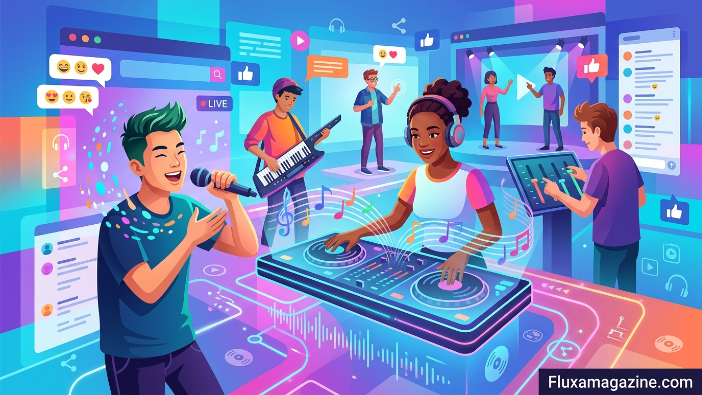
To truly understand who fansqingers are, it is essential to examine the specific traits and behaviors that define them. Unlike traditional fans whose interaction might be limited to watching content or attending events, fansqingers engage in active creation. They produce covers of songs, remix audio, create visual reinterpretations, write reflections or narratives inspired by media, and participate in online challenges that involve recreating or expanding upon existing works. Their creative contributions are reflections of both admiration and personal expression.
One defining characteristic of fansqingers is their willingness to leverage digital tools to produce and share creative content. Whether recording a song cover, producing an illustrated reinterpretation of a music video, or creating a dance routine inspired by a viral track, fansqingers demonstrate technical and artistic engagement with media. Their work often requires learning and using editing software, multitrack recording tools, visual design programs, or platform‑specific features that enable collaborative performances. This digital proficiency allows them to interact creatively with media in ways that were once the domain of professionals.
Another key trait of fansqingers is their active participation within online communities. Rather than creating in isolation, they often share their work within fan forums, social media groups, and collaborative threads where feedback, encouragement, and shared inspiration are central to ongoing engagement. This community dimension is crucial — fansqingers thrive in environments where creative output is acknowledged, discussed, and celebrated. These spaces foster a sense of belonging and mutual support, encouraging individuals to refine their craft and contribute meaningfully to collective cultural dialogues.
Finally, fansqingers exhibit a blend of passion and agency. Their engagement is fueled by a genuine love for the content they interpret, but it is also driven by a desire to contribute something unique. This combination results in creative outputs that reflect both reverence for original works and individual artistic identity. Fansqingers, therefore, embody a participatory ethos that redefines what it means to be a “fan” in the digital age — not merely consuming content, but actively shaping and enriching the cultural landscape.
How Fansqingers Influence Music and Entertainment
The impact of fansqingers extends beyond personal expression and community engagement — it has tangible implications for industries such as music, film, and entertainment. As fansqingers produce covers, remixes, and reinterpretations of songs and media, they generate organic promotional value that can extend an artist’s reach and longevity in the public consciousness. When a cover song goes viral or a creative remix gains traction, it can introduce the original work to new audiences who might not have encountered it otherwise. This organic spread of content highlights the power of participatory culture to amplify media in ways that traditional marketing cannot always achieve.
Artists and industry professionals have increasingly recognised the value inherent in fansqinger engagement. Many musicians actively repost fan covers on their social media profiles, collaborate with especially talented fans, or invite fans to participate in official livestream performances. These actions help strengthen fan loyalty and foster a sense of personal connection between artists and their audiences. In some cases, fansqingers have even been integrated into official promotional campaigns, receiving recognition or partnership opportunities that blur the line between amateur and professional creative involvement.
Furthermore, the activities of fansqingers can influence trends and algorithms across social platforms. Because platforms like TikTok, Instagram, and YouTube rely on engagement metrics to surface content, creative reinterpretations that generate likes, comments, and shares can contribute significantly to a song or meme’s visibility. In this way, fansqingers contribute to cultural moments that shape broader entertainment conversations — not as passive observers, but as active participants whose creative output drives engagement and fuels interest.
Platforms That Empower Fansqingers
The rise of fansqingers would not be possible without the digital platforms that facilitate creative expression and community interaction. Social media networks have evolved far beyond simple communication tools; they now serve as stages where anyone can perform, remix, and share their creative work. Platforms like TikTok and Instagram prioritise short‑form video content that encourages users to participate in trends, challenges, and collaborative features such as duets and stitches. These tools lower the technical barriers to creative expression, enabling users to produce engaging content with minimal equipment and technical background.
YouTube remains a powerful hub for fansqingers who produce longer‑form cover songs, remixes, and multimedia interpretations. Its extensive reach and monetisation options allow talented creators to build audiences and even develop careers from what began as fan‑driven content. SoundCloud similarly offers a space for musicians and remixers to publish and share audio work, cultivating diverse communities centered on shared genres, influences, and creative styles.
Beyond mainstream platforms, niche communities on Discord, Reddit, and specialised fan forums also play a vital role in supporting fansqingers. These spaces provide opportunities for collaboration, feedback, and sustained dialogue that fuel continued creative growth. In these communities, fansqingers exchange tips on production techniques, discuss emerging trends, and offer encouragement that fosters both artistic development and long‑term engagement. Together, these platforms create a vibrant ecosystem where participation, creativity, and community thrive.
Social and Psychological Dynamics of Fansqinger Participation
The significance of fansqingers extends beyond creative output — it also intersects deeply with social and psychological experiences. Participating as a fansqinger offers a sense of agency and identity that goes beyond passive consumption. When individuals invest time and energy into creating and sharing work that reflects their passion, they often experience a deep sense of accomplishment and personal pride. This form of creative expression can enhance self‑efficacy, as individuals recognise their capability to produce meaningful content and contribute to cultural conversations.
Socially, fansqingers often find themselves embedded in networks of like‑minded individuals who share similar passions and goals. These connections can lead to lasting friendships, mentorship opportunities, and collaborative projects that extend beyond the initial focus of creative work. The community dimension of fansqinging fosters belonging and mutual support, which can be particularly meaningful in a digital age where interpersonal connections are often mediated through screens and virtual interactions.
Psychologically, engaging in creative activities such as music performance, visual design, or reinterpretation of media can serve as a productive outlet for emotion and expression. For many participants, the act of creating and sharing content becomes a form of self‑expression that transcends mere fandom, allowing individuals to articulate their perspectives, experiment artistically, and engage in social interactions that affirm their sense of self. In this way, fansqinging contributes not only to cultural production but also to emotional well‑being and personal development.
Challenges and Controversies Surrounding Fansqingers
Despite the positive contributions of fansqingers to digital culture and creative ecosystems, there are also challenges and controversies that warrant careful consideration. One of the most prominent concerns involves copyright and intellectual property. When fansqingers produce covers, remixes, or reinterpretations of existing works, questions arise regarding permissions, licensing, and fair use. Platforms and creators must navigate complex legal frameworks to ensure that fan‑driven content respects original copyrights while still enabling creative expression. This tension can sometimes result in content takedowns, disputes over monetisation, or misunderstandings between creators and rights holders.
Another challenge relates to the pressure of continuous content production. Because social platforms often reward frequent posting and engagement, fansqingers can feel compelled to produce new work constantly in order to maintain visibility and audience interest. This dynamic can lead to creative burnout, anxiety, and a sense of obligation that detracts from the joy of artistic expression. Unlike professional creators who may have structured support systems and resources, many fansqingers operate independently, making it difficult to sustain long‑term creative output without experiencing fatigue.
Additionally, not all interactions within fan communities are positive. Like any online space, fandom communities can experience harassment, gatekeeping, and toxic behavior that can discourage participation. Fansqingers, particularly those new to public sharing, may face criticism that undermines confidence or leads to conflict within communities. Navigating these social dynamics requires resilience, supportive networks, and platform moderation that fosters healthy engagement.
The Future of Fansqingers and Participatory Culture
Looking toward the future, the role of fansqingers within digital culture is likely to continue evolving in response to technological advancements and shifting social norms. As platforms develop new tools for creative expression — such as augmented reality features, collaborative performance modes, and enhanced audio editing capabilities — fansqingers will have even more avenues to explore and expand their creative potential. These innovations will further blur the distinctions between amateur and professional creative production, empowering individuals to produce work that rivals mainstream output in quality and impact.
Moreover, as industries recognise the value of participatory engagement, we may see increased collaboration between fansqingers and professional creators. Artists, record labels, and entertainment brands may integrate fansqinger content more formally into promotional strategies, recognising that fan‑driven creativity can amplify reach, strengthen loyalty, and humanise public personas. In this scenario, fansqingers would not merely be peripheral participants but key partners in the cultural production process.
Communities themselves are likely to become more sophisticated, with platforms and tools designed specifically to support creative collaboration, feedback, and community building. These developments could help address some of the challenges fansqingers face — such as burnout and toxic engagement — by fostering environments that prioritise well‑being, constructive interaction, and shared artistic growth. Ultimately, the continued evolution of fansqingers will reflect the broader trajectory of digital culture: increasingly participatory, interconnected, and shaped by the creative contributions of individuals across the globe.
Conclusion: The Cultural Significance of Fansqingers
The emergence of fansqingers represents a meaningful evolution in how people engage with media, culture, and community in the digital era. Far from passive consumers, fansqingers exemplify a participatory ethos that values creative expression, shared experience, and collaborative engagement. Their activities illuminate broader shifts in digital culture, where the boundaries between creator and audience are increasingly porous and dynamic.
Fansqingers contribute to cultural dialogues in ways that extend beyond personal expression — they influence trends, drive engagement, reshape media experiences, and foster communities that celebrate creativity and connection. While challenges such as copyright concerns and creative burnout underscore the complexities of this phenomenon, the overall impact of fansqingers points toward a future where creative expression is both more accessible and more deeply integrated into the fabric of digital culture.
As platforms, industries, and communities continue to evolve, fansqingers will remain vital participants in a cultural landscape defined by interactivity, innovation, and shared creativity. Their presence reminds us that media and culture are not solely produced by professionals in isolation, but are shaped, enriched, and co‑created by audiences who bring their own voices, talents, and passions to the global conversation.