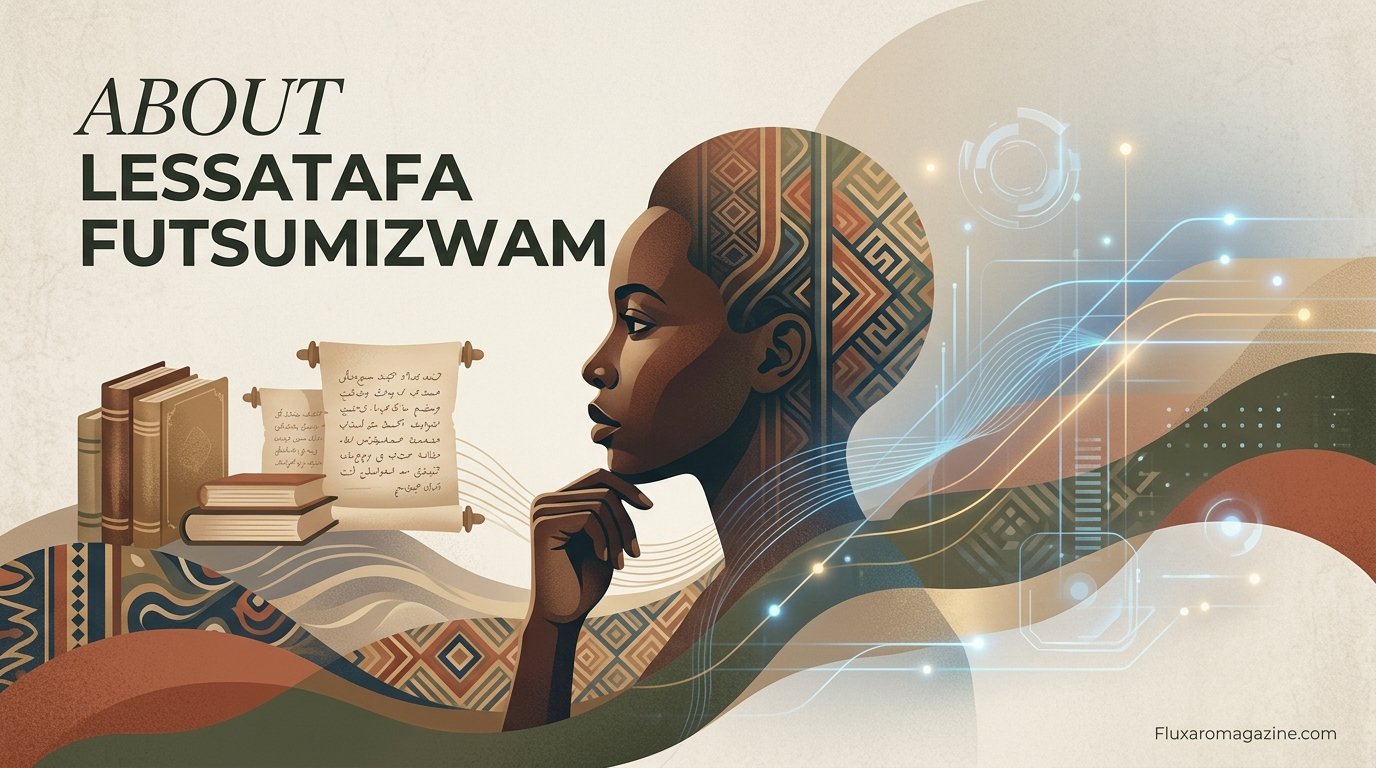
Introduction to Lessatafa Futsumizwam
Lessatafa Futsumizwam is an emerging conceptual framework that has captured attention in philosophical, cultural, and digital innovation circles. It represents a unique intersection of cultural wisdom, historical knowledge, and modern innovation principles. While not widely known outside specialized communities, this framework is gaining traction for its holistic approach to problem-solving, decision-making, and sustainable personal and professional growth. The term itself, though coined recently, resonates with the idea of integrating traditional values with contemporary approaches, highlighting the importance of balance in an increasingly complex and fast-paced world.
The rising interest in Lessatafa Futsumizwam stems from its ability to provide guidance in multiple contexts. Individuals, organizations, and communities are seeking methods that help them honor their heritage while embracing innovation. In today’s digital era, where trends shift rapidly and information is abundant, frameworks that combine intentionality with cultural grounding become highly valuable. This concept is not merely theoretical; it serves as a practical tool for navigating challenges with mindfulness, resilience, and foresight.
At its essence, Lessatafa Futsumizwam encourages an approach to life and work that is both reflective and action-oriented. It emphasizes learning from the past, understanding the present, and making decisions that create meaningful futures. By bridging the gap between ancient wisdom and modern strategies, it offers a unique lens to analyze choices, develop sustainable habits, and foster personal and organizational growth in ways that honor context, identity, and purpose.
Understanding the Core Meaning
The term Lessatafa Futsumizwam can initially appear abstract, but its core meaning revolves around the integration of cultural insights and modern innovation. It encourages individuals to recognize the value of long-standing traditions, while simultaneously applying contemporary methods to achieve effective outcomes. The conceptual framework is less about rigid rules and more about mindset and approach, guiding thoughtful engagement with the world.
Linguistically, Lessatafa Futsumizwam combines ideas of seeking wisdom, learning from experience, and applying knowledge with intention. Unlike conventional philosophies that are rooted in one specific domain, this framework spans multiple areas, including personal development, leadership, and digital transformation. Its flexibility allows users to adapt its principles according to their context, making it suitable for diverse settings such as workplaces, educational institutions, and community projects.
This concept also emphasizes the importance of intentionality. By consciously aligning actions with values and objectives, practitioners of Lessatafa Futsumizwam can avoid impulsive or short-sighted decisions. This creates an environment in which both individual and collective goals can be pursued with clarity, foresight, and cultural sensitivity. In essence, understanding its meaning requires recognizing it as a dynamic, integrative approach rather than a fixed set of instructions.
Historical and Cultural Origins
Although Lessatafa Futsumizwam is a modern framework, its roots are intertwined with historical and cultural practices from East Africa, Ethiopia, and other diasporic communities. It draws inspiration from the way traditional societies have maintained balance between community cohesion, individual growth, and resource management over centuries. Philosophical traditions and indigenous knowledge systems contributed foundational ideas that inform this framework today.
Historically, communities that relied on collective wisdom and culturally grounded practices developed principles that emphasized sustainability, ethical decision-making, and intergenerational learning. Lessatafa Futsumizwam builds upon these principles, adapting them to contemporary circumstances where technology, globalization, and rapid change create unique challenges. By doing so, it maintains a connection to heritage while providing tools for modern problem-solving.
In addition to cultural traditions, intellectual thought from disciplines such as philosophy, sociology, and organizational theory have influenced its evolution. By integrating lessons from historical experiences with analytical and data-driven approaches, Lessatafa Futsumizwam presents a multi-dimensional method for understanding complex problems. Its historical and cultural origins are therefore essential for grasping both its depth and practical applicability in today’s world.
Core Principles of Lessatafa Futsumizwam
Several key principles define Lessatafa Futsumizwam, guiding how it can be applied in various contexts. One major principle is cultural anchoring, which involves understanding and honoring the traditions, values, and historical knowledge that shape identity and decision-making. This principle ensures that actions are grounded in meaningful context, preventing choices that disregard heritage or community norms.
Another fundamental principle is intentional innovation. Lessatafa Futsumizwam encourages applying modern tools and techniques with purpose and thoughtfulness. Innovation is not pursued for novelty’s sake but is used strategically to enhance and extend the effectiveness of traditional practices. This combination of old and new fosters solutions that are both practical and culturally coherent.
The framework also emphasizes evidence-informed decision-making. Integrating qualitative insights from cultural and historical knowledge with quantitative data or modern analytical methods allows individuals and organizations to make choices that are robust and adaptive. This principle ensures that decisions are contextually relevant and resilient in the face of changing circumstances.
Together, these principles form a cohesive framework that balances reflection and action. They provide a structured approach to navigating personal, organizational, and societal challenges while respecting cultural values and leveraging contemporary resources.
Applications in Personal Life
In personal development, Lessatafa Futsumizwam offers a methodology for making thoughtful life choices. Individuals can reflect on their values, heritage, and experiences to make decisions that align with their long-term goals. By evaluating modern opportunities and tools against traditional principles, people can cultivate meaningful habits, pursue purposeful goals, and develop emotional resilience.
Many individuals in today’s fast-paced world feel overwhelmed by information and expectations. Using Lessatafa Futsumizwam in personal life helps create clarity by prioritizing reflection and conscious engagement over impulsive reactions. For example, when faced with career or educational decisions, individuals can examine how each option aligns with both personal values and current trends, leading to more sustainable outcomes.
Furthermore, the framework encourages intentional use of technology and modern resources. Rather than allowing constant digital distractions, individuals can selectively adopt tools that complement their values and goals. This approach promotes mindfulness, reduces stress, and enhances the quality of decisions, relationships, and overall life satisfaction.
Professional and Organizational Applications
In professional and organizational contexts, Lessatafa Futsumizwam is valuable for developing strategic approaches that combine cultural identity with innovation. Organizations can apply its principles in leadership development, team collaboration, and project planning to maintain alignment between organizational values and operational practices. This ensures that growth strategies are culturally grounded while embracing modern tools and methodologies.
By integrating traditional wisdom into contemporary workflows, organizations can enhance creativity, problem-solving, and adaptability. Teams that use Lessatafa Futsumizwam principles are often better equipped to balance rapid change with thoughtful consideration, reducing risks associated with hasty or unaligned decisions. Leaders can also foster workplace cultures that respect heritage, encourage experimentation, and value reflective decision-making.
Moreover, organizations adopting this framework benefit from stronger stakeholder engagement. By honoring cultural knowledge and combining it with transparent, data-informed strategies, businesses and institutions create outcomes that are both ethical and sustainable. This enhances trust, promotes collaboration, and supports long-term success in complex environments.
Challenges and Misunderstandings
Despite its advantages, Lessatafa Futsumizwam is often misunderstood. Some perceive it as resistance to innovation or adherence to outdated traditions. In reality, it does not reject modernity; it advocates thoughtful integration of contemporary practices with cultural awareness. Misinterpretation can lead to underutilization or dismissal of its potential.
Another challenge is its inherent flexibility. As a mindset and methodology rather than a prescriptive doctrine, it requires reflective thinking and contextual adaptation. Practitioners must actively interpret and apply principles, which may be challenging in high-pressure or efficiency-focused environments. Without patience and deliberate engagement, the benefits of Lessatafa Futsumizwam may not fully materialize.
Additionally, balancing tradition with innovation requires ongoing evaluation, dialogue, and sometimes compromise. The complexity of integrating cultural knowledge with modern solutions may be daunting initially, but careful, iterative application enables meaningful, sustainable outcomes. Recognizing and addressing these challenges is key to leveraging the full potential of the framework.
Read More : About lessatafa futsumizwam
Future Outlook and Relevance
The relevance of Lessatafa Futsumizwam is growing in contemporary society. As individuals and organizations face digital overload, cultural homogenization, and rapidly shifting social dynamics, frameworks that integrate heritage with innovation become increasingly necessary. Its principles support thoughtful engagement with the present while preparing for future challenges.
Looking ahead, Lessatafa Futsumizwam may become formalized in training programs, academic research, and community initiatives. Digital platforms, workshops, and collaborative projects can further clarify its principles and broaden its application. By offering a structured yet flexible approach, it has the potential to influence leadership strategies, personal development practices, and community-building efforts globally.
Ultimately, the future of Lessatafa Futsumizwam lies in its adaptability. As societies evolve, this framework provides a roadmap for preserving cultural identity while harnessing innovation. Its continued application and exploration can guide sustainable growth, ethical decision-making, and meaningful engagement with both heritage and the future.
Conclusion
Lessatafa Futsumizwam is more than a conceptual term; it is a practical framework for integrating cultural wisdom with modern innovation. By emphasizing reflection, intentionality, and evidence-informed choices, it provides guidance for individuals and organizations seeking sustainable and meaningful outcomes. Its principles of cultural anchoring, intentional innovation, and mindful decision-making create a holistic approach to personal and professional growth.
As interest in this framework grows, its adaptability and relevance become increasingly clear. Whether applied to personal development, workplace strategy, or community initiatives, Lessatafa Futsumizwam offers a balanced methodology that respects the past while embracing the future. By understanding and applying its principles, practitioners can navigate complex challenges with clarity, resilience, and cultural integrity, ensuring that both heritage and innovation coexist harmoniously in the modern world.