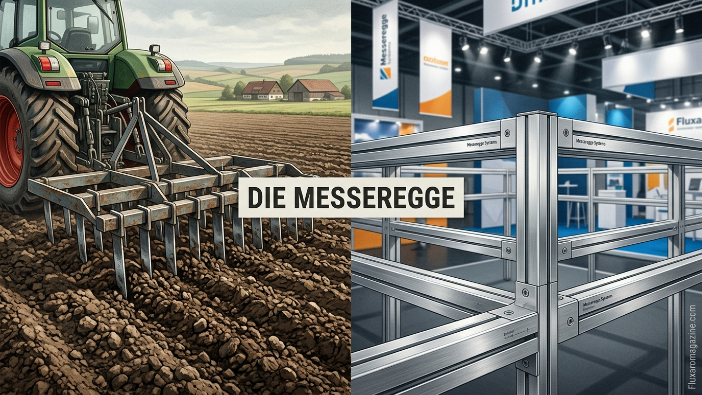
The term messeregge may sound unusual to many, but it carries distinct meanings depending on the context. Historically rooted in German agricultural practices, messeregge refers to a knife‑style harrow used to prepare soil for planting. Over time, it has also been adopted in exhibition design and even as a concept in digital branding discussions. Understanding messeregge requires examining these contexts, tracing its origins, and appreciating its practical applications.
Messeregge is a term that bridges tradition and modern interpretation. While its agricultural meaning is grounded in clear function and design, its use in exhibitions reflects structural and visual organization. In digital discussions, it symbolizes innovation and creative branding. These multiple interpretations make messeregge a term of both practical and conceptual interest, demonstrating how one word can adapt across industries while retaining relevance.
The Agricultural Meaning of Messeregge
In agriculture, messeregge combines the German words “Messer” (knife) and “Egge” (harrow). It describes a precision soil cultivation tool that slices the soil surface instead of aggressively turning it, creating a fine, uniform seedbed for planting. This design helps maintain soil structure while ensuring seeds are well-positioned for germination.
Messeregge tools are usually mounted on frames with rows of sharp blades, which can be adjusted for depth and angle. This versatility allows farmers to use them in different soil types and conditions, optimizing seedbed preparation and improving crop outcomes. Unlike disc harrows or traditional tine harrows, messeregge implements reduce soil compaction and require fewer passes across the field.
Modern farming often integrates messeregge with other equipment, such as rollers or front-packers, to streamline the cultivation process. By combining slicing, leveling, and compacting actions in one pass, messeregge helps farmers save fuel, reduce labor, and improve efficiency while supporting soil health.
Messeregge in Exhibition Design
Outside of farming, messeregge has been applied to trade show and exhibition booth construction. In this context, it refers to modular edge systems and frame structures used to define spaces, support visual elements, and organize layouts. The structural purpose ensures booths are stable, functional, and visually coherent.
Exhibition designers use messeregge systems to create flexible and reusable layouts. These frames allow for adaptability to different booth sizes and event spaces, providing a professional appearance while supporting heavy signage, lighting, or digital displays. They play a critical role in guiding visitor flow and enhancing the overall experience.
Well-implemented messeregge systems are not just functional—they contribute to branding and storytelling. By creating consistent visual boundaries and clean lines, they help exhibitors present a polished and cohesive message. This combination of practicality and aesthetics demonstrates messeregge’s relevance beyond its agricultural roots.
Practical Applications in Farming
Messeregge’s value in agriculture lies in its ability to create even seedbeds and improve field efficiency. By slicing soil surfaces and breaking clumps, it ensures better moisture retention and seed-to-soil contact, which are crucial for consistent germination. Farmers benefit from reduced labor and fuel usage, making messeregge both cost-effective and ecologically considerate.
Its adjustable blades allow operators to adapt to various soil types, crop requirements, and field conditions. In heavy or wet soils, proper depth control prevents compaction, while in drier soils, messeregge helps achieve the fine texture needed for effective planting. These capabilities make it a versatile and essential tool in modern farming practices.
Messeregge also aligns with conservation agriculture principles. By minimizing soil disturbance, preserving structure, and reducing passes, it supports long-term soil health. Its integration into multi-functional cultivation systems highlights how traditional tools can evolve to meet contemporary agricultural demands.
Strategic Role in Exhibitions
In trade shows, messeregge structures impact visitor experience and brand perception. A well-framed booth allows attendees to navigate easily, creating natural pathways and focal points. These subtle structural elements influence how visitors perceive the brand, making messeregge a key tool for professional presentation.
Exhibitors rely on these systems to maintain consistency across multiple events. Reusable frames reduce costs, simplify setup, and allow for coherent brand storytelling. The combination of functionality, stability, and aesthetics makes messeregge an integral part of exhibition strategy.
Beyond visual appeal, messeregge structures support interactive installations, lighting setups, and digital displays, all of which enhance engagement. Their flexibility allows brands to experiment with design while ensuring that every element remains secure and aligned.
Misinterpretations in Digital Contexts
Messeregge has also been referenced in digital and branding discussions. Some online sources describe it as a potential messaging platform or conceptual branding term, though no verified product or service exists under this name. These uses are speculative, leveraging the term’s uniqueness for SEO and marketing purposes.
In digital branding, messeregge represents creativity, distinctiveness, and flexibility. While these applications are conceptual, they illustrate the broader potential of the term. Content creators and marketers may use it as a memorable label for campaigns or platforms, though clear definition and context are essential to maintain credibility.
Speculative digital interpretations should not be conflated with the concrete agricultural or exhibition meanings. Understanding messeregge requires careful attention to context and industry cues to avoid misinformation.
Read More : Messeregge Explained: Agriculture, Exhibitions & Branding
Linguistic and Historical Insights
The word messeregge demonstrates how German compound terms evolve into technical vocabulary. Its agricultural roots emphasize practical tools, while its adaptation in exhibition design highlights functional flexibility. Historical usage shows it may have once described strips or rows in farming, reflecting careful measurement and planning.
Over time, messeregge has grown from a technical term to a broader concept, illustrating how language can cross industries and contexts. Its evolution reflects the interplay of tradition, practicality, and modern creative usage.
Conclusion
Messeregge is a multi-faceted term rooted in practical applications yet adaptable to creative and conceptual contexts. In agriculture, it denotes a knife-style harrow used to create fine seedbeds efficiently and responsibly. In trade show design, it refers to modular structural frames that enhance booth functionality, aesthetics, and visitor engagement. In digital branding discussions, it symbolizes innovation and uniqueness, though these uses remain speculative.
Understanding messeregge requires attention to context, whether evaluating soil preparation tools, designing exhibitions, or exploring emerging branding concepts. Its significance lies in bridging practical function and creative potential, demonstrating how a single term can remain relevant across industries and applications.