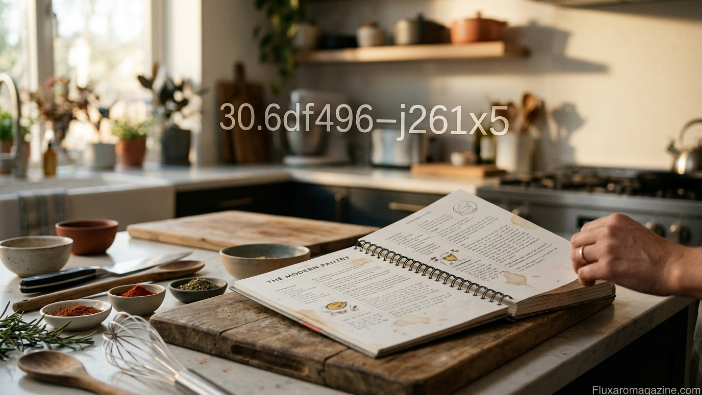
Cooking is an art, but it is also a science. Every ingredient, every measurement, and every tool plays a crucial role in producing the perfect meal. Recently, there has been a surge of curiosity online about a seemingly strange term: “30.6df496–j261x5”. Many aspiring cooks and curious readers have asked whether this is something safe to use in cooking, whether it represents an ingredient, or if it has some specific culinary function. This article examines everything you need to know about this mysterious code, its origins, and its relationship — or lack thereof — with cooking.
Understanding the Term “30.6df496–j261x5”
At first glance, “30.6df496–j261x5” appears to be a random mix of letters, numbers, and symbols. It is not part of any known culinary vocabulary or ingredient database. Experts in digital systems confirm that codes like this are usually technical identifiers, used by software systems, apps, or manufacturers to label versions, items, or data points. They are often unique IDs that help track digital processes or products but have no direct connection to cooking or food preparation.
Because of its appearance in online forums and databases, some people assume it is an ingredient, a spice, or a kitchen tool. This assumption is understandable, especially in the age of digital appliances and AI-generated content, where technical strings can sometimes appear near cooking-related posts. However, it is essential to recognize the distinction between digital identifiers and actual culinary items.
Why People Ask “Can I Cook With 30.6df496–j261x5?”
The curiosity surrounding this term stems largely from the digital overlap between tech codes and culinary content. On recipe websites, smart kitchen apps, or automated content aggregation platforms, alphanumeric codes occasionally appear alongside ingredient lists or recipe metadata. To a casual reader, these codes may look like an ingredient, measurement standard, or cooking instruction.
Another reason for this confusion is the increasing integration of smart devices in kitchens. Smart ovens, programmable cookers, and IoT appliances often display version codes, software updates, or batch identifiers, which can appear similar to this term. For people unfamiliar with coding or system identifiers, it is natural to wonder if these codes are part of the recipe or food preparation process.
The Nature of Technical Identifiers in Cooking Contexts
Technical identifiers like 30.6df496–j261x5 serve back-end purposes, such as tracking data, managing inventory, or labeling firmware and software versions. These codes allow systems to maintain precise control over processes, updates, and product versions. They are designed for machines and databases, not for human consumption.
In some cases, these identifiers may appear on kitchen appliances or apps that are recipe-related. For example, a smart cooker may include a firmware version number or an internal product ID. When displayed alongside cooking instructions, they may mislead readers into thinking it is a cooking measurement or ingredient, but in reality, it serves only a technical purpose.
Why “30.6df496–j261x5” Is Not an Ingredient
Cooking relies on ingredients with known culinary, chemical, and nutritional properties. Ingredients such as spices, oils, flours, or preservatives are tested, approved, and documented for human use. 30.6df496–j261x5 does not correspond to any recognized food ingredient or additive in global food safety databases.
Regulatory agencies like the FDA (Food and Drug Administration) and EFSA (European Food Safety Authority) maintain comprehensive lists of approved food ingredients and additives. No record exists of a substance matching this alphanumeric code in these databases. Introducing an unknown code as an ingredient would be unsafe and unadvisable, as its chemical composition, toxicity, and suitability for cooking are unknown.
Safety and Food Preparation Principles
When it comes to cooking, safety is paramount. Approved ingredients are tested for heat stability, chemical interactions, and suitability for human consumption. Using unknown substances in recipes can lead to dangerous chemical reactions or health hazards.
Because 30.6df496–j261x5 is a technical identifier, it has no documented safety data for food use. There is no evidence that it can withstand heat, resist leaching, or remain stable during cooking processes. Introducing unknown codes or chemicals into meals violates basic food safety principles and could pose serious health risks.
How Misinterpretations Happen
Misinterpretations often occur when database codes or digital identifiers are displayed in user-facing content. Modern recipe platforms and smart cooking apps store vast amounts of metadata, including software versions, product batch numbers, or internal reference codes. If these fields are accidentally displayed alongside cooking instructions or ingredients, they may be mistaken as part of the recipe.
Automated content scraping and AI-generated pages further compound this confusion. These technologies may misread metadata as ingredient information, causing codes like 30.6df496–j261x5 to appear in cooking-related searches. Users encountering such terms should exercise caution and verify information through credible culinary sources before attempting to use any unidentified item in cooking.
Expert Recommendations for Home Cooks
If you encounter 30.6df496–j261x5 in a recipe, appliance, or digital cooking app, the safest approach is to ignore it as an ingredient. It is more likely a version number, batch code, or system identifier unrelated to food. Always rely on clearly labeled ingredients, standardized cooking measurements, and official recipe instructions.
Consult trusted sources such as verified recipe books, professional culinary websites, and food safety authorities. When in doubt, do not attempt to experiment with unknown codes or substances, as this could lead to contamination or unsafe results. Following these practices ensures both safety and consistency in cooking outcomes.
Read More : Can I Cook With 30.6df496–j261x5? Expert Safety Guide
Understanding the Digital-Culinary Interface
The confusion over this term illustrates a broader trend: the intersection of technology and cooking. Smart devices, kitchen apps, and online recipe platforms bring many advantages but also increase exposure to technical codes and identifiers. Understanding that these codes serve backend functions and do not replace actual culinary knowledge is critical for maintaining both safety and confidence in cooking.
By recognizing the difference between technical data and actual ingredients, home cooks can navigate modern cooking platforms more effectively. This approach ensures that culinary creativity is guided by knowledge, not by accidental interpretation of digital codes.
Conclusion
After examining the term 30.6df496–j261x5, its origins, and its relationship with cooking, the verdict is clear: this code is not safe, recognized, or intended for culinary use. It is a technical identifier, likely used in software, smart appliances, or backend systems, and it has no documented food safety profile or culinary function.
Home cooks should ignore such codes as ingredients and focus on verified culinary sources, trusted measurements, and safe, approved ingredients. Understanding the distinction between digital identifiers and food items protects both health and the quality of your cooking. In today’s tech-driven kitchens, knowledge and caution remain the most essential ingredients for success.